From Honey to Light
Love A Bee has always been about raising the value of honey — helping people understand what honey reveals about biodiversity, flowers, bees, land, season, and place.
Through honey, color, taste, beeswax, and story, Love A Bee helps people pay attention to the living systems that sustain us.
The Taste of Biodiversity: Honey carries the story of flowers, soil, weather, season, beekeeper labor, and place. Its color, aroma, and taste are evidence of biodiversity.
Frames — streaked with yellows, oranges, purples, and reds,
each shade a reflection of the pollen of the flowers the bees
have visited.
Color and nature were the spark that opened my eyes to how biodiversity — revealed in the spectrum of hues bees bring home — strengthens the hive and makes it more resilient.
This insight became the seed of Love-A-Bee. I began sourcing honeys from beekeepers who maintained wide and healthy forage, using taste and color to show that honey is not “just honey” but a living expression of flowers, season, and place. Through tastings, storytelling, and design, I invited people to experience honey as something alive and beautiful — a way to weave together art, education, entrepreneurship, and a deep commitment to sustainability and environmental stewardship.
A diverse diet for bees means more beautiful flowers for us to enjoy, productive crops for farmers and unique tastes in every jar. For the bees, beekeeper, farmers and protectors of our food supply and of course, Love A Bee! Help us connect the dots and spread the joy.
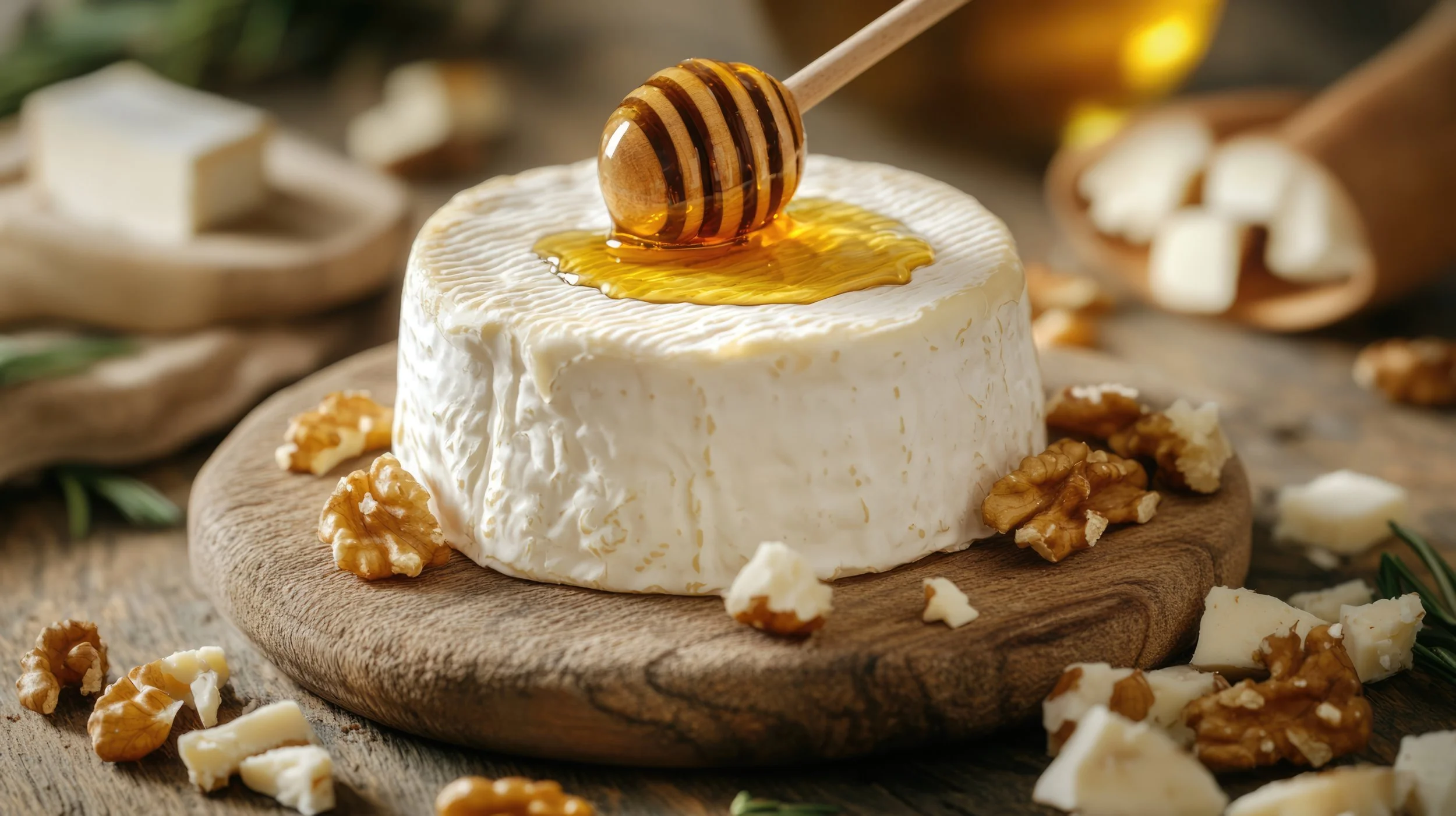
Some things are meant to go together—like warm, melty brie and a drizzle of pure honey. This Baked Honey Brie is the perfect balance of rich, creamy, and just the right amount of sweetness.
Whether you’re hosting a gathering or just want a simple, indulgent appetizer, this one comes together in under 20 minutes and always disappears fast.
While any honey will work, we highly recommend using our Smokey Sage Honey—its intriguing notes of purple button sage and delicate herbal undertones play well with the richness of the brie.
Give it a try and let me know what you think!
It’s that time of year when cornbread and chili warm the soul. Add honey and you’ve got something!
Although you can use any honey to recreate this recipe, we highly recommend using our Sweet Clover Honey with it’s hint of cinnamon and freshly sweet flavor. You’ll love it in this recipe!
South Carolina is home to several distinct styles of barbecue characterized by different cuts of meat, types of barbecue sauce and preparation.[1][2] It is particularly well known for the heavy emphasis on pork and the popularity of a mustard-based barbecue sauce in the central part of the state.
Looking for a crowd pleaser for your next family gathering or holiday celebration? Look no further. Sweet potatoes are complimented by zesty spices, citrus, and of course, sweet honey.
Honey is a true expression of the land, shaped by the flowers bees forage and the environment around them. Much like wine or olive oil, honey reveals layers of complexity when properly tasted—its color, aroma, texture, and even the memories it evokes all contribute to the experience.
Taking the time to fully taste honey allows both beekeepers and consumers to appreciate each varietal’s unique character. Real honey isn’t just sweet; it can be floral, fruity, nutty, herbal, or deeply earthy. Every jar tells a story.
This natural variation is what sets raw honey apart. While lower-cost honeys are often “cut” with syrups, authentic honey reflects biodiversity, seasonality, and subtle environmental shifts.
Curious how to taste honey the right way—and why it matters? The featured article dives into the art of honey sensory analysis and how you can train your palate to truly understand honey.
Honey’s quality is inseparable from the land it comes from. While blended honeys focus on volume and uniformity, real, single-source honey reflects the biodiversity of its environment and the stewardship of the beekeeper. As beekeeper Lee notes, following natural bloom cycles allows bees to produce honey that is distinct, traceable, and harvested at its peak—preserving each varietal’s true character.
At Love A Bee, we champion beekeepers who prioritize sustainability, ethical practices, and the health of pollinators. Their work ensures that honey remains an authentic expression of place and season, rather than just another commodity.
Why should I take the time to taste honey?
Great question! The short answer is: if you want to taste the earth and sky of an area, then taste its honeys! You’ll be rewarded with a true taste of the diversity and goodness that the soil produces.
Bee Pollen is frequently called "the perfect food" as it contains all of the essential amino acids and many vitamins and minerals. Bee Pollen is the food of the young bee and it is approximately 40% protein. It is considered one of nature's most completely nourishing foods. It contains nearly all the nutrients required by humans. About half of its protein is in the form of free amino acids that are ready to be used directly by the body. Such highly assailable protein can contribute significantly to one's protein needs.
When I’m at farmer’s markets selling Love A Bee honey, I often get questions like this:
Customer: Is this local honey? It has to be from around here – I need local pollens because they help with my allergies.
Me: Firstly, I’m glad to hear that honey is helping with your allergies! Raw honey is a wonderful food but if you’re wondering how it helps, there’s no scientific evidence that says that eating local honey will reduce your allergies. Any benefit you’re getting is almost certainly the placebo effect — but if you’re getting a benefit, that’s all good! As for local honey, go ahead — try our raw Bodega Bay honey here – It’s delicious!
For a more detailed answer, try this article from Popular Science: https://www.popsci.com/local-honey-allergies.
Wait, the Superbowl of bees? Bees don’t play football? You’re right! But while you wont see a hive of bees in a pre-game huddle, you will see them preparing for their own big game, California’s almond pollination!
Have you ever wondered how bees know what flowers to visit? In short, the answer is light.
Did you know that bee pollen contains almost all of the nutrients required by the human body to thrive? That’s why the German Federal Board of Health has officially recognized it as a medicine. Explore all the holistic benefits that bee pollen can deliver.
An excerpt from John Muir, who’s considered one of the country’s most influential naturalist’s. Embrace his poetic take on California, and the honey it produces.
It’s no secret that the bee population is dwindling. But why are they declining? Why should we care? And how can we help?
A concern for high sugar levels doesn’t have to mean just cutting out sugar cold turkey. A more practical and beneficial option is to swap out refined sugars with natural sweeteners, such as honey.
What’s the future of bees? As mid-western land use shifts, it’s necessary that we consider the implications for our honey making friends, the bees.
When South Carolina bees are suddenly dropping like flies, beekeepers are scrambling to understand this sudden phenomena. The answer? Pesticide poisoning.
New research published today has identified the most serious future threats to, but also opportunities for pollinating species, which provide essential agricultural and ecological services across the globe.
Learn the tips that novice beekeepers need to know, to maintain thriving hives in the comfort of their own backyard.

Honey isn’t just a sweetener—it’s a sensory experience and a reflection of the land it comes from. Every jar carries the imprint of the flowers bees have visited, the season, and even subtle shifts in the environment. When you take the time to truly taste honey, you begin to recognize the incredible diversity nature creates.